
WHO typhoid vaccine guidance 2026 has brought fresh attention to childhood immunization. On August 18, 2026, the World Health Organization (WHO) published a new position paper on typhoid vaccines. The guidance focuses on the Typhoid Conjugate Vaccine (TCV) in areas with a high typhoid burden, high mortality risk, or widespread antimicrobial resistance.
So, what does this update mean for children and parents? More importantly, why does WHO place so much emphasis on TCV? Let’s look at the latest guidance, the estimated burden of typhoid in India, and the lesser-known facts behind the update.
What Is WHO’s New Typhoid Vaccine Guidance?
WHO’s 2026 position paper recommends TCV as part of routine immunization in areas where typhoid incidence reaches high or very high levels. The recommendation also applies to settings with high case-fatality rates or widespread antimicrobial-resistant Salmonella Typhi.
In these high-risk settings, WHO recommends giving the first TCV dose between 9 and 24 months of age.
However, countries can adapt their vaccination strategy to local disease patterns and national immunization programmes. Therefore, parents should follow their local health authority’s vaccination schedule rather than relying on age alone.
Is This the First Time WHO Has Recommended TCV for Young Children?
No. This point deserves clarification because some reports may create confusion.
WHO has recommended TCV for children older than 6 months in typhoid-endemic countries since 2018. The 2026 position paper builds on that earlier recommendation and incorporates newer evidence and epidemiological data.
Therefore, the claim that “WHO has recommended typhoid vaccination for children for the first time” would be incorrect.
Instead, the 2026 guidance provides a more specific framework for using TCV in areas facing a high typhoid burden and antimicrobial resistance.
Unknown Facts: How Big Is the Typhoid Problem in India?
A 2026 study that examined data from 2023 highlighted the potentially large burden of typhoid in India.
According to the researchers’ modelling estimates:
- India may have recorded around 4.9 million typhoid cases in 2023.
- The researchers estimated approximately 730,000 hospitalizations.
- They also estimated around 7,850 deaths.
- Around 600,000 hospitalizations, or approximately 82%, involved fluoroquinolone-resistant typhoid.
These figures come from modelling rather than a simple national case count. Nevertheless, they highlight the scale of the challenge.
More importantly, the findings show that India faces two connected problems: typhoid infection and antibiotic resistance.
Why Does Typhoid Vaccination Matter for Children?
Salmonella Typhi causes typhoid fever. The bacteria usually enter the body through contaminated food or water.
Common symptoms include:
- Fever
- Headache
- Abdominal pain
- Weakness
- Digestive problems
In severe cases, typhoid can cause intestinal complications, bleeding, shock, and other serious health problems.
Therefore, vaccination can play an important role in protecting children, particularly those who live in areas where typhoid spreads frequently.
What Is the Typhoid Conjugate Vaccine (TCV)?
The Typhoid Conjugate Vaccine (TCV) targets the Vi capsular polysaccharide of Salmonella Typhi. Manufacturers link this antigen to a carrier protein to improve the immune response, particularly in young children.
As a result, TCV can provide important advantages over some older typhoid vaccines.
WHO recognizes three main types of typhoid vaccines:
| Vaccine | Key Feature |
|---|---|
| Typhoid Conjugate Vaccine (TCV) | Suitable for young children and designed for longer-lasting protection |
| Vi Polysaccharide Vaccine (ViPS) | An established injectable typhoid vaccine |
| Live Attenuated Ty21a Vaccine | An oral typhoid vaccine |
TCV products generally have approval for use from 6 months of age, although the approved age range can vary between products.
What Is the Biggest Advantage of TCV?
One major advantage of TCV is its suitability for young children.
WHO considers TCV the preferred option for routine immunization in high-risk settings. In addition, TCV can support childhood vaccination programmes because health systems can integrate it into existing immunization strategies.
Furthermore, research suggests that TCV can provide longer-lasting protection than some older typhoid vaccines.
Does the Typhoid Vaccine Provide 100% Protection?
No vaccine provides a 100% guarantee against infection.
TCV can significantly contribute to typhoid prevention. However, vaccination cannot replace basic hygiene and sanitation measures.
For example, families should continue to:
- Drink safe and clean water.
- Wash their hands regularly.
- Cook food thoroughly.
- Keep food preparation areas clean.
- Avoid contaminated or unhygienic food.
- Follow proper sanitation practices.
Therefore, vaccination and hygiene should work together to reduce the risk of typhoid.
Why Is Antibiotic Resistance a Growing Concern?
Antibiotic resistance has become one of the biggest challenges in typhoid treatment.
When Salmonella Typhi develops resistance to commonly used antibiotics, doctors may need to choose alternative treatments. Consequently, treatment can become more difficult and expensive.
The 2023 Indian modelling study found a particularly high burden of fluoroquinolone-resistant typhoid among estimated hospitalizations.
This situation makes prevention even more important.
If vaccination reduces the number of typhoid infections, healthcare providers may need to use fewer antibiotics. In turn, lower antibiotic use could help reduce selective pressure that contributes to antimicrobial resistance.
Is Vaccination Alone Enough to Prevent Typhoid?
No. Families and communities need several preventive measures.
Here are some of the most important steps:
- Drink safe water.
- Cook food properly.
- Wash hands before eating.
- Wash hands before preparing food.
- Maintain good sanitation.
- Avoid unnecessary antibiotic use.
- Follow the recommended vaccination schedule.
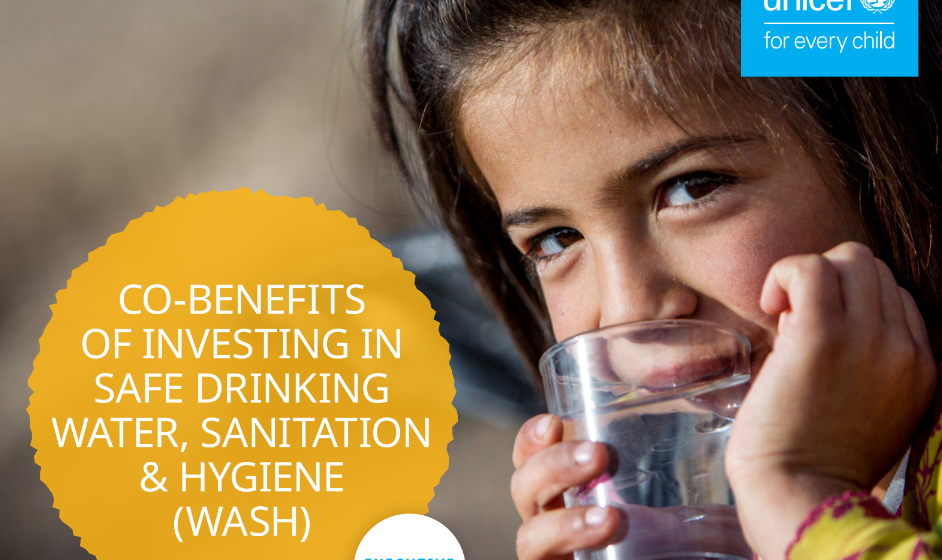
Moreover, public-health programmes need to improve water, sanitation and hygiene, commonly known as WASH.
WHO also emphasizes food safety, health education, accurate diagnosis, and appropriate treatment alongside vaccination.
Why Does the 2026 WHO Update Matter?
The new guidance matters for several reasons.
First, it gives greater attention to vaccination in areas with a high or very high typhoid burden.
Second, antimicrobial resistance makes prevention increasingly important. Doctors cannot rely on antibiotics alone when resistant bacteria continue to spread.
Third, the guidance reinforces the importance of combining vaccination with safe water, sanitation, food safety, and proper hygiene.
Meanwhile, India’s estimated 2023 burden shows why typhoid prevention remains an important public-health priority.
5 Unknown Facts About Typhoid Vaccination
1. TCV Is Not a Brand-New Vaccine
WHO has recommended TCV for young children since 2018. The 2026 update builds on that earlier guidance rather than introducing TCV for the first time.
2. Typhoid Does Not Spread Only Through Water
Contaminated food can also carry Salmonella Typhi. Therefore, food hygiene remains essential even when families have access to safe drinking water.
3. Antibiotic Resistance Makes Prevention More Important
The Indian modelling study highlights a substantial burden of fluoroquinolone-resistant typhoid. As resistance grows, prevention becomes increasingly valuable.
4. Vaccination Does Not Replace Hygiene
Children can still face infection risks after vaccination. Safe water, handwashing, sanitation, and food safety therefore remain important.
5. Every Country May Follow a Different Schedule
WHO’s 9–24 month recommendation applies to high-risk settings. National health authorities can adapt vaccination schedules according to local disease patterns and healthcare needs.
Frequently Asked Questions
At what age should children receive TCV?
In high-risk settings, WHO’s 2026 guidance recommends the first TCV dose between 9 and 24 months of age. However, parents should follow their country’s official immunization schedule and consult a healthcare professional when necessary.
Is TCV a new vaccine?
No. WHO has recommended TCV for children older than 6 months since 2018. The 2026 guidance updates and refines the recommendation using newer evidence.
Does vaccination completely prevent typhoid?
No. TCV reduces the risk but does not guarantee complete protection. Families should continue to use safe water, maintain good hygiene, and follow food-safety practices.
How many typhoid cases did India have in 2023?
A 2026 modelling study estimated around 4.9 million typhoid cases in India in 2023. The researchers also estimated approximately 730,000 hospitalizations and 7,850 deaths.
Why does antibiotic resistance matter?
Antibiotic-resistant Salmonella Typhi can make treatment more difficult because some commonly used antibiotics may not work effectively. Therefore, preventing infections can help reduce the need for antibiotic treatment.
WHO’s new typhoid vaccine guidance 2026 highlights the growing importance of prevention, especially in areas with a high typhoid burden or significant antimicrobial resistance.
WHO recommends the first TCV dose between 9 and 24 months of age in high-risk settings. However, national health authorities can adapt vaccination schedules to local conditions.
The message goes beyond vaccination. Safe drinking water, proper sanitation, food hygiene, handwashing, responsible antibiotic use, and timely medical care all remain essential.
Ultimately, preventing typhoid requires more than one solution. Vaccination can protect children, while better hygiene and sanitation can reduce the conditions that allow typhoid to spread.
Disclaimer: This article provides general health information and does not replace professional medical advice. Parents should follow their local immunization schedule and consult a qualified healthcare professional before making vaccination decisions for a child.