
What caused the sudden flood, how it affected communities and infrastructure, and what the disaster reveals about growing risks in the Himalayan region.
The Himalayas witnessed a devastating natural disaster in August 2026 when a sudden flood struck areas near the Nepal–Tibet border. What began as a rapidly developing mountain disaster turned into a humanitarian emergency, damaging roads, bridges, buildings and other infrastructure.
What Does “Harpa Ban” Mean?
Harpa Ban (হড়পা বান) refers to a sudden flash flood. Unlike a normal flood that may rise gradually, a flash flood can arrive with very little warning.
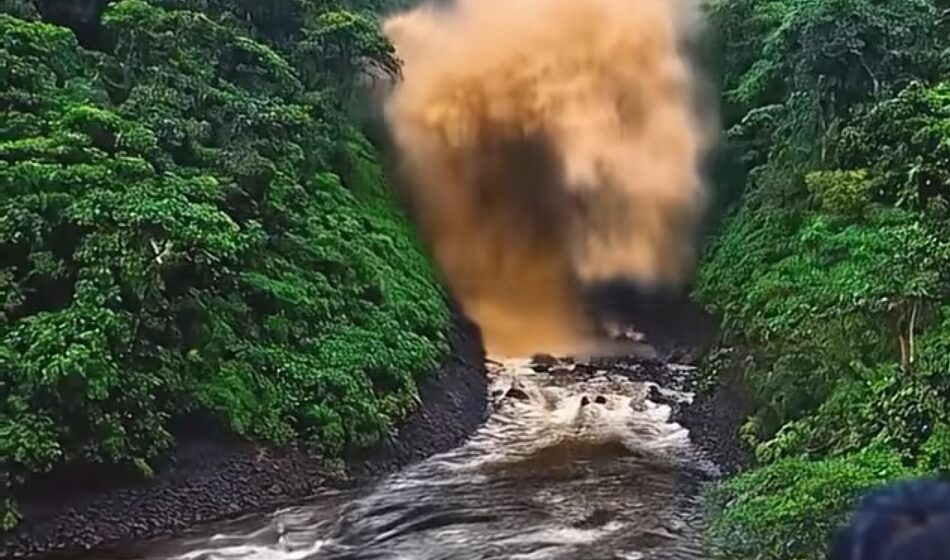
In mountainous areas, enormous amounts of water can rush downhill through narrow valleys, carrying mud, rocks, ice, trees and debris. Such floods can become extremely destructive within minutes.
What Caused the Flood?
The affected Himalayan valleys are surrounded by steep mountains, glaciers and rivers. A sudden release of water combined with huge amounts of mud, rocks, ice and debris can transform a mountain river into a destructive flash flood within minutes.
Scientists have increasingly warned that rising temperatures are changing Himalayan glaciers and increasing the risk of glacial lake outburst floods (GLOFs) and other ice- and debris-related disasters.
Why Was the Damage So Severe?
Mountain valleys are narrow, leaving little room for floodwater to spread safely. When an enormous volume of water and debris moves downstream, it can destroy bridges, roads and settlements in its path.
The disaster also affected important routes connecting Nepal with Tibet, making rescue operations particularly difficult.
What Was Damaged?
The sudden flood caused widespread destruction on both sides of the Nepal–Tibet border.
- Homes and buildings: Several settlements and buildings were damaged or swept away by fast-moving water and debris.
- Bridges: The Friendship Bridge at the Nepal–Tibet border and other important bridges collapsed, cutting off communities and transport routes.
- Roads: Roads were buried or destroyed by mud, rocks and floodwater, making rescue operations difficult.
- Vehicles: Cars, trucks and other vehicles were carried away or damaged by the powerful current.
- Power and communication: Electricity and communication infrastructure were disrupted in affected areas.
- Tourism: Travellers and pilgrims in the Himalayan region were stranded as routes became inaccessible.
- People: Families were displaced, while rescue teams searched for people who were missing or trapped.
The biggest challenge after the flood was reaching isolated communities. With roads and bridges destroyed, helicopters and emergency teams became crucial for rescue and relief operations.
A Warning From the Himalayas
The Nepal–Tibet disaster is more than a story about a single flood. It highlights the growing risks faced by communities living in the world’s highest mountain region.
Better early-warning systems, glacier monitoring, safer infrastructure and rapid evacuation plans can help reduce the loss of life when similar disasters occur.
Final Thought
The Himalayas may look permanent and unchanging, but their glaciers, rivers and landscapes are constantly evolving. A Harpa Ban—or flash flood—can turn a peaceful mountain valley into a dangerous torrent within minutes.
The Nepal–Tibet disaster is a powerful reminder that in the mountains, nature can change dramatically in just a few hours—and preparation can save lives.