Skip to content
-
Subscribe to our newsletter & never miss our best posts. Subscribe Now!
  • https://www.facebook.com/
  • https://twitter.com/
  • https://t.me/
  • https://www.instagram.com/
  • https://youtube.com/
Pijus

Exploring technology, education, business, travel, sports, nature, and the stories that inspire us.

Pijus

Exploring technology, education, business, travel, sports, nature, and the stories that inspire us.

  • Home
  • Health
  • Education
  • Technology
  • Business
  • World
  • Explore
  • Sports
  • Entertainment

Recent Posts

  • 1964 Dhanushkodi Cyclone: Why Did It Happen?
  • WHO Typhoid Vaccine Guidance 2026: Parents Guide
  • Messi Retirement 2026: Final Goodbye
  • AI Cybercrime and Account Takeover: How Hackers Exploit AI Security
  • Rap as a Voice of Protest: From Hip-Hop to Tilottama
  • Home
  • Health
  • Education
  • Technology
  • Business
  • World
  • Explore
  • Sports
  • Entertainment
Subscribe
Close

Search

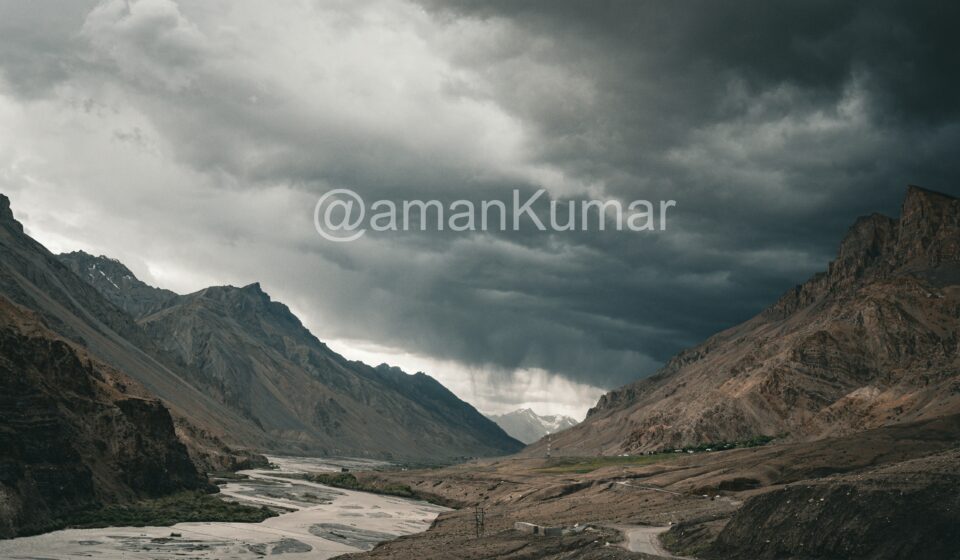
Himalayas glacier and flash flood risk near Nepal China border
World

Himalayas Glacier Collapse, A Warning for the Future

By admin
August 28, 2026 2 Min Read
0
Glacier collapse and sudden floods near the Nepal-China border are raising fresh concerns about mountain safety, climate change and the future of the Himalayas.

The Himalayas are famous around the world for their snow-covered peaks, glaciers and breathtaking landscapes. But behind that beauty lies a growing environmental risk that millions of people may need to understand.

Recent extreme events near the Nepal-China border have once again highlighted how dangerous unstable glaciers and sudden floods can become in high mountain regions.

According to an Associated Press report, severe flooding in the Himalayan region has affected communities and infrastructure, while authorities and residents have faced the difficult conditions created by rapidly changing mountain environments.

Why Can a Glacier Become Dangerous?

A glacier is not simply a huge block of ice. It is a constantly changing mass of snow and ice that can move, melt and break apart.

When glaciers become unstable, ice or rocks can suddenly collapse. Meltwater can also accumulate behind natural barriers. If such a barrier breaks, a powerful glacial lake outburst flood (GLOF) can occur.

The resulting water can travel rapidly downstream, damaging roads, bridges, homes and other infrastructure.

Why Should Ordinary People Care?

This is not only a problem for scientists or people living in the mountains.

The Himalayas are home to millions of people and are also a major source of water for large populations across Asia. Changes in glaciers and snow can therefore affect agriculture, drinking water, tourism and disaster risks far beyond the mountains.

For tourists, the message is equally important: a beautiful mountain destination can also be an unpredictable natural environment.

Before travelling to high-altitude areas, visitors should check weather warnings, local authority advisories and road conditions rather than relying only on travel plans made weeks in advance.

Climate Change Adds Another Concern

Scientists have warned that rising temperatures are changing glaciers and mountain ecosystems. Faster ice and snow melt can alter water availability and increase certain hazards.

However, every individual flood or glacier event cannot automatically be attributed to climate change. Local geography, rainfall, glacier conditions and other factors can also play important roles.

That is why continued monitoring and scientific research are essential.

The Himalayas Are Sending a Message

The latest events provide a simple lesson: nature’s warning signs should not be ignored.

The Himalayas will continue to attract travellers, researchers and adventurers. But the future of mountain tourism cannot depend only on beautiful photographs and adventurous journeys.

Better early-warning systems, safer infrastructure, scientific monitoring and public awareness can help communities prepare for sudden disasters.

The Himalayas are still one of Earth’s most spectacular places. But their changing environment reminds us that beauty and danger can exist side by side.

For travellers and mountain communities alike, understanding that risk may be one of the most important steps toward staying safe.


Tags:

Climate ChangeClimate CrisisEnvironmentFlash FloodGlacial Lake Outburst FloodGlacier CollapseGlobal WarmingHimalayan FloodHimalayasMountain SafetyNatural DisasterNepalTibetTravel SafetyWorld News
Author

admin

Follow Me
Other Articles
Ancient Egyptian Mehen board game, one of the oldest known games in history
Previous

First Game in the World, What Was It?

Toxic movie Yash character and cinematic visuals
Next

Toxic Movie Review, Why It Falls Short

No Comment! Be the first one.

    Leave a Reply Cancel reply

    Your email address will not be published. Required fields are marked *

    Search

    Latest Posts

    • 1964 Dhanushkodi Cyclone: Why Did It Happen?
    • WHO Typhoid Vaccine Guidance 2026: Parents Guide
    • Messi Retirement 2026: Final Goodbye
    • AI Cybercrime and Account Takeover: How Hackers Exploit AI Security
    • Rap as a Voice of Protest: From Hip-Hop to Tilottama

    About This Site

    Welcome to pijus.in — a personal space where ideas, knowledge, technology, education, current topics, travel, nature, and everyday life come together.

    This website is created to share simple, useful, and interesting content that people can learn from and enjoy. From technology and education to society, nature, health awareness, entertainment, and inspiring stories, the goal is to make every article informative, easy to understand, and worth reading.

    I believe good content does not always need to be complicated. Sometimes, a simple explanation can make a difficult topic easier to understand.

    Pijus.in is my growing digital space — a place to learn, explore, share ideas, and discover something new.

    Thank you for visiting and being part of this journey.

    Recent Posts

    • 1964 Dhanushkodi Cyclone: Why Did It Happen?
    • WHO Typhoid Vaccine Guidance 2026: Parents Guide
    • Messi Retirement 2026: Final Goodbye
    • AI Cybercrime and Account Takeover: How Hackers Exploit AI Security
    • Rap as a Voice of Protest: From Hip-Hop to Tilottama
    September 2026
    M T W T F S S
     123456
    78910111213
    14151617181920
    21222324252627
    282930  
    « Aug    

    Find Us

    Address
    Kolkata-700090
    West Bengal
    India

    Hours
    Monday–Friday: 9:00AM–5:00PM
    Saturday & Sunday: 11:00AM–3:00PM

    Copyright 2026 — Pijus. All rights reserved.