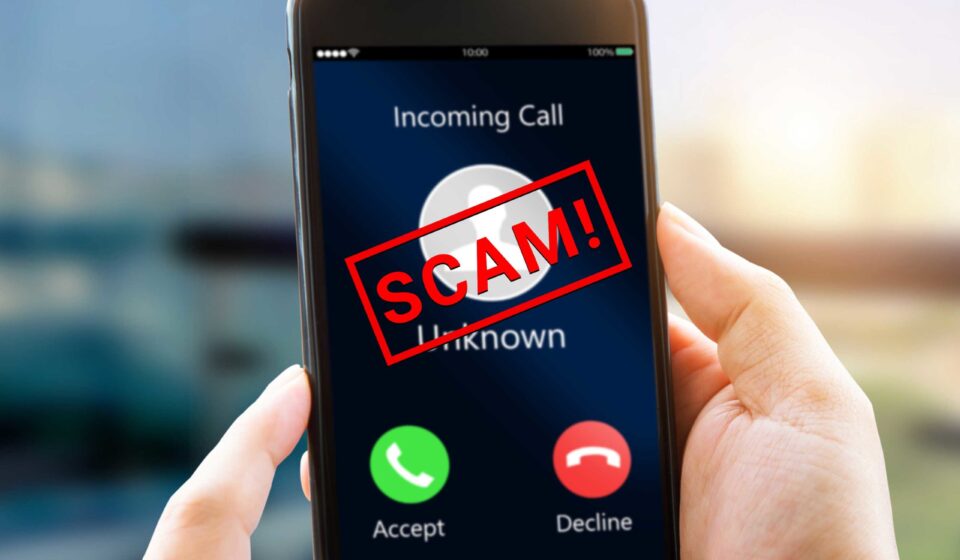

How cybercriminals get your phone number is a question many people ask after receiving a suspicious call. A scammer may pretend to be a bank employee and ask for your OTP, KYC details, or card information. But how did the scammer get your number in the first place?
How Do Scammers Get Phone Numbers?
1. Data Breaches
First, a website or app you used in the past may suffer a data breach. As a result, criminals may obtain phone numbers stored in its database.
2. Fake KYC Forms
Similarly, scammers create fake KYC, cashback, loan, job, and reward forms. When someone enters their phone number, scammers learn that the number is active.
3. Third-Party Services
Moreover, companies often use third-party service providers. Therefore, a security incident or misuse within that chain could expose customer contact information.
4. Public Information
In addition, people sometimes publish their phone numbers on websites, social media profiles, advertisements, or business listings. Scammers can collect such publicly available information.
5. Random Number Calling
However, there is another possibility that many people overlook.
Scammers can automatically call thousands of phone numbers. Therefore, receiving a scam call does not always prove that someone specifically leaked your number.
What Happens After They Get Your Number?
Getting your number is usually only the first step.
Next, the scammer may pretend to be a bank employee, delivery agent, insurance representative, or government official. Then, they create an urgent story and try to make you reveal an OTP, PIN, CVV, password, or UPI PIN.
That is where the real danger begins.
The Important Truth
A scammer knowing your name and mobile number does not automatically mean they can access your bank account.
Instead, they often try to manipulate you into revealing the information that should remain secret.
So remember: your phone number can be exposed, but your OTP should never be shared.
If someone asks for an OTP over the phone, end the call. Then, contact the organisation through its official website, app, or customer-care number.
One simple rule can prevent a major loss: never share an OTP with anyone.